
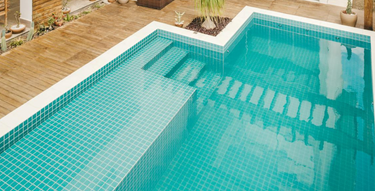
How to Open Your Pool After Winter: A Step-by-Step Guide
Winterizing your pool is an essential part of pool maintenance, but it’s just as important to properly open your pool when warmer weather arrives. After months of being closed, your swimming pool needs a little care and attention to ensure it’s safe, clean, and ready for the season ahead. Here’s a comprehensive guide on how to de-winterize and open your pool for a fun-filled summer.
1. Remove the Pool Cover
The first step in the de-winterization process is removing the pool cover. This is typically done in early spring once the temperature is consistently warm. As you remove the cover, be cautious of debris like leaves, twigs, and dirt that may have accumulated. You can use a pool cover pump or a wet/dry vacuum to help clean the cover before storing it.
Tip: If your cover has any tears or holes, consider replacing it for next season to prevent debris from entering the pool.
2. Inspect the Pool Equipment
Before diving in, take the time to inspect all your pool equipment, including the pump, filter, and heater. Make sure nothing has been damaged during the off-season. Check hoses, gaskets, and seals for leaks, and clean out any debris from the skimmer and pump baskets. This is also a good time to check the pool's plumbing for any cracks or signs of wear.
Tip: Lubricate the O-rings on your pool equipment to ensure smooth operation.
3. Reinstall Pool Accessories
If you removed any pool accessories before winterizing, such as ladders, diving boards, or handrails, now is the time to reinstall them. Make sure they’re securely attached and ready for use.
Tip: Clean and inspect the accessories before putting them back to ensure they’re in good condition.
4. Check the Pool Water Level
During the winter months, the water level in your pool may have dropped. Check the water level and add water if necessary. Ideally, the water level should be at or just below the skimmer for optimal filtration and circulation.
Tip: Use a garden hose to add water to the pool, but avoid overfilling it.
5. Start the Pool Pump and Filter
Once your equipment is reassembled, it’s time to start the pool pump and filter. Turn on the pump and let it run for at least 24 hours. This helps to circulate the water, which is essential for cleaning and balancing the chemicals in your pool.
Tip: If the pump is making unusual noises or not operating smoothly, turn it off and inspect it for issues before running it for longer periods.
6. Test and Balance the Water Chemistry
After starting the pool system, it’s time to check the pool water’s chemistry. Use a pool test kit or take a sample of the water to a local pool store for testing. You’ll need to balance the following chemicals:
- pH level
- Chlorine levels
- Alkalinity
- Calcium hardness
Based on the results, add the necessary chemicals to balance the water. If your pool is open early in the season, you may need to shock the water to remove any bacteria or algae that have developed during the winter months.
Tip: Always follow manufacturer instructions when adding pool chemicals to avoid damaging the pool or equipment.
7. Clean the Pool
Once the water chemistry is balanced, it’s time to clean the pool. You can use a pool vacuum or a robotic pool cleaner to remove any debris from the bottom of the pool. Robotic pool cleaners are an excellent choice for pool owners who want to save time and effort. These advanced devices are highly effective for cleaning all areas of the pool, including the floor, walls, and waterline.
When to Use a Wired or Wireless Robotic Pool Cleaner
A robotic pool cleaner is ideal when you need to remove dirt and debris that may have accumulated during the off-season or after stormy weather. It is also incredibly helpful in maintaining pool cleanliness throughout the swimming season, minimizing the need for manual cleaning and allowing you to enjoy a hassle-free experience.
Advantages of Using a Robotic Pool Cleaner:
- Efficient Cleaning: The robotic pool vacuum scrubs the pool floor, walls, and waterline, ensuring that no debris is left behind. It can even remove stubborn dirt and algae that may be difficult to address with traditional cleaning methods.
- Time-Saving: Unlike manual cleaning, robotic pool cleaners operate independently of your pool’s pump and filtration system. You can set them up and let them work while you focus on other tasks or relax by the pool.
- Energy-Efficient: Robot pool cleaners are energy-efficient and use less electricity compared to traditional vacuuming methods that rely on the pool’s pump, helping you save on energy bills.
- User-Friendly: Many robotic cleaners come equipped with advanced features such as programmable cleaning cycles, automatic navigation, and easy-to-remove filter baskets.
How to Use a Robotic Pool Cleaner:
- Prepare the Pool: Ensure the pool water is clean, and the pool equipment is in proper working condition.
- Place the Robot in the Pool: Position the robot pool cleaner in the pool, turn it on, and let it navigate the pool. Most robotic pool cleaners will automatically adjust their cleaning paths to cover the entire pool.
- Monitor the Cleaning Process: While most models operate autonomously, it's good practice to monitor the robot’s first cleaning cycle to ensure it’s functioning as expected.
- Empty the Filter Basket: After the robot pool cleaner finishes its cycle, remove it from the pool and empty the filter basket. Make sure to clean the robot thoroughly and store it properly after use.
Tip: Regularly check the robotic cleaner’s filter and brushes to keep it in optimal condition for future use.
8. Check the Pool Heater (If Applicable)
If you use a pool heater, now is the time to check it to make sure it’s functioning properly. Turn it on and ensure that the water is heating up as expected. If your heater isn’t working efficiently, it may need a professional inspection or servicing.
Tip: Always check for gas leaks (if applicable) and ensure the system is clean and free of debris.
9. Add Pool Algaecide and Preventative Products
Once the pool is clean and the water is balanced, it’s a good idea to add a pool algaecide to prevent algae growth during the summer months. You can also add other preventative chemicals, such as a clarifier or stabilizer, to keep the water clear and the pool equipment running smoothly.
10. Monitor and Maintain Regular Pool Care
Opening your pool is just the beginning of pool maintenance for the season. Be sure to monitor the pool’s water chemistry regularly and keep the pool clean by removing debris, vacuuming, and brushing the surfaces. Regularly inspect your pool equipment and make adjustments as needed to keep the pool in top shape.
Ready to Dive In!
Opening your pool after winter requires some effort, but with the right steps and tools—like using a robotic pool cleaner—you’ll ensure that your pool is ready for hours of enjoyment. Whether it’s cleaning the pool floor, walls, or waterline, robotic cleaners take the heavy lifting out of pool maintenance, leaving you with more time to relax.
If you need additional help with any pool-related tasks, don’t hesitate to reach out to CHASING, we are here to ensure a smooth and enjoyable swimming season.